
March 23, 2016
It’s Spring Time in the Ocean
Estimated reading time: 0 minutes
All winter long, we patiently wait for spring to bring warm weather, budding trees and colourful flowers. Oceans also have their own spring time, filled with activity, renewal and yes, even blooms! Oceana Canada asks, why not celebrate spring in the oceans this year?
Welcome the Whales
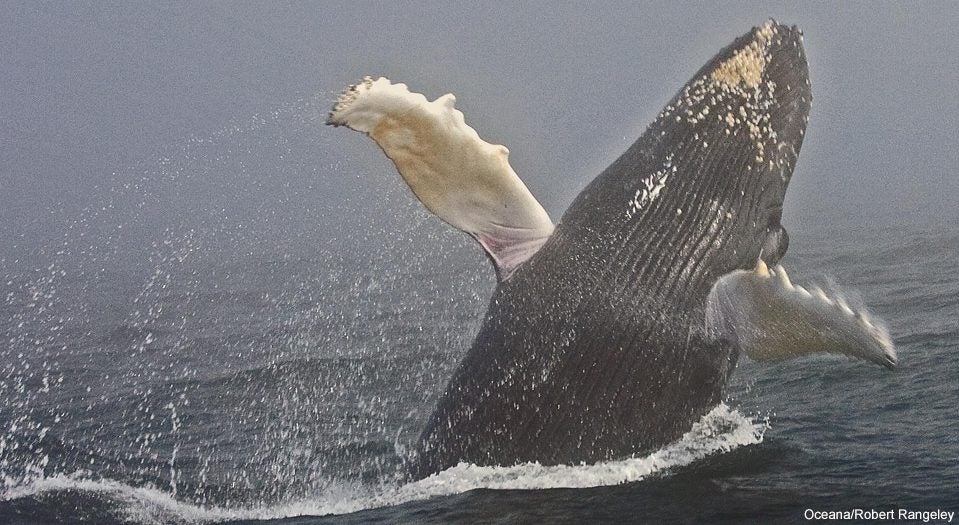
In the spring, humpback whales migrate back to Canadian waters, bringing with them new additions to their family. Humpback whales winter in the south where they breed, and in the spring, they bring their new calves north with them to northern feeding grounds.
Spawning Salmon
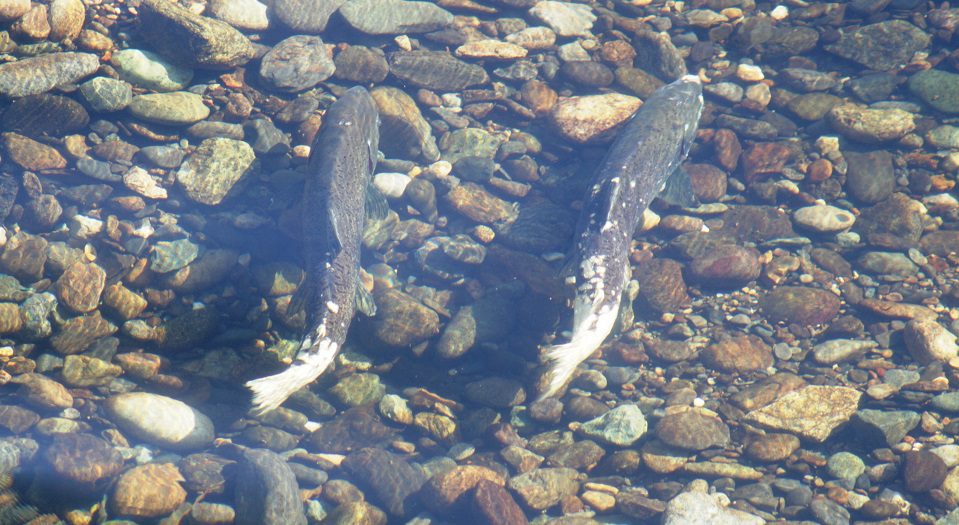
Chinook are called “spring salmon,” because some spawn at this time of year. Historically, chinook salmon were the first salmon of the year that First Nations of British Columbia would fish. The chinook live most of their lives out on the ocean, returning to where they were born in freshwater streams to spawn and give life to the next generation.
Ocean Flip
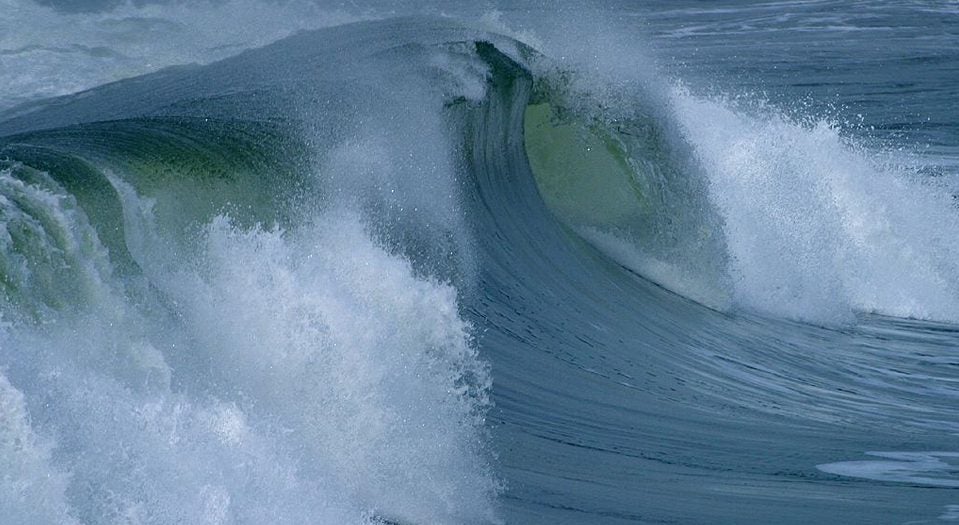
In the spring, the heavy water on the top of the surface sinks to the bottom, taking the place of warmer layers. The warm water that comes to the surface brings with it lots of nutrients.
Plankton Bloom
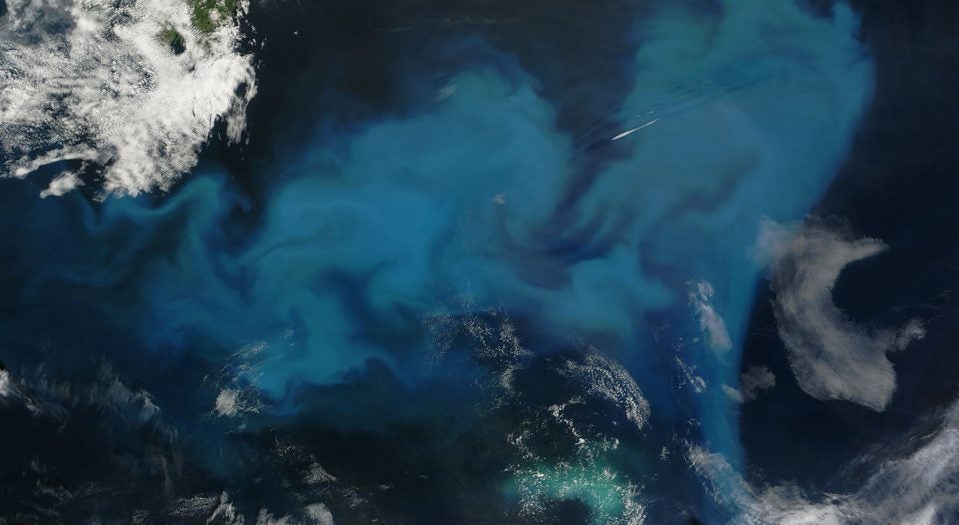
Spring brings more sunlight and warmer temperatures, which creates a nutrient-rich environment that’s perfect for phytoplankton to bloom. The phytoplankton can be so plentiful that their blooms, which appear as a greenish colour, can be seen from space. In the ocean, phytoplankton are the base of the food system, so every animal is reliant on them either directly or indirectly. When they bloom, so does the whole ocean!
Stay connected to all the amazing things happening in our oceans throughout the year by becoming a Wavemaker.
All winter long, we patiently wait for spring to bring warm weather, budding trees and colourful flowers. Oceans also have their own spring time, filled with activity, renewal and yes, even blooms! Oceana Canada asks, why not celebrate spring in the oceans this year?
Welcome the Whales
In the spring, humpback whales migrate back to Canadian waters, bringing with them new additions to their family. Humpback whales winter in the south where they breed, and in the spring, they bring their new calves north with them to northern feeding grounds.
Spawning Salmon
Chinook are called “spring salmon,” because some spawn at this time of year. Historically, chinook salmon were the first salmon of the year that First Nations of British Columbia would fish. The chinook live most of their lives out on the ocean, returning to where they were born in freshwater streams to spawn and give life to the next generation.
Ocean Flip
In the spring, the heavy water on the top of the surface sinks to the bottom, taking the place of warmer layers. The warm water that comes to the surface brings with it lots of nutrients.
Plankton Bloom
Spring brings more sunlight and warmer temperatures, which creates a nutrient-rich environment that’s perfect for phytoplankton to bloom. The phytoplankton can be so plentiful that their blooms, which appear as a greenish colour, can be seen from space. In the ocean, phytoplankton are the base of the food system, so every animal is reliant on them either directly or indirectly. When they bloom, so does the whole ocean!
Stay connected to all the amazing things happening in our oceans throughout the year by becoming a Wavemaker.
MOST RECENT
October 26, 2026
Marine Conservation Tools: How Canada Can Protect the Oceans
October 20, 2026
Six Scary Marine Animal Names That Sound Like Horror Movie Titles
September 29, 2026
September 18, 2026
What Happens in the Ocean in Fall? Four Seasonal Changes Beneath the Waves
August 27, 2026
The Ocean Is Earth’s Largest Carbon Sink. Here’s Why It Matters
